

Dialogues of the Buddha : ค้นหาหนังสือธรรมะ หน้า 39 / 96
หน้าหนังสือทั้งหมด
56
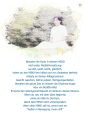
Die Kunst der inneren Ruhe
Bewahre die Ruhe in deinem MIND
nach jeder Meditationssitzung:
sei still, sanft, leicht, glücklich,
indem du den MIND leer hälst und von Gedanken befreist.
Arbeite an deinen Alltagsroutinen:
Gesicht w
Dieses Kapitel ermutigt jeden, ein ruhiges und glückliches Leben zu führen, indem man nach Meditation still und friedlich bleibt. Es werden Alltagsroutinen vorgeschlagen, die helfen, den Geist zu klär
70
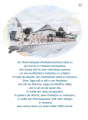
Der Weg zur inneren Ruhe
Ein Dhammadaya (Meditationschüler) lebte an der Grenze zu Thailand und Myanmar.
Sein Glaube ließ ihn über viele Berge wandern,
um eine buddhistische Ordination zu erhalten.
Er hatte die Absicht, sich
Ein Dhammadaya-Schüler lebte an der Grenze zu Thailand und Myanmar. Sein Glaube führte ihn über Berge, um eine buddhistische Ordination zu erhalten. Während der Meditation sah er Dhamma-Kugeln und Bud
82
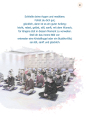
Meditation für inneren Frieden
Schließe deine Augen und meditiere.
Fühlst du dich gut,
glücklich, dann ist es ein guter Anfang:
leicht, relax, gelöst, still, sanft, mit dem Wunsch,
für längere Zeit in diesem Moment zu verweilen.
St
In dieser Anleitung zur Meditation lernst du, wie du durch das Schließen deiner Augen und das Fokussieren auf innere Bilder, wie eine Kristallkugel oder ein Buddha-Bild, einen Zustand von Glück und Ru
86
การฝึกซ้อมการทำสมาธิ
การฝึกซ้อม
วันไหนนั่งดี ๆ นั่งต่อไปเลย โดยไม่ต้องคำนึงเรื่องของเวลา ลืมภารกิจไปก่อน เพราะว่าจะได้ใจที่ละเอียดยิบเป็นสมาธิ เห็นความสว่าง เห็นดวงธรรม หรือเห็นองค์พระไม่ได้เกิดขึ้นง่าย ๆ
Practice, repea
การทำสมาธิเป็นการฝึกที่ต้องใช้เวลาและความพยายาม ควรนั่งสมาธิอย่างต่อเนื่องในวันที่ทำได้ดี โดยไม่ต้องคำนึงถึงเวลาและหน้าที่ เพื่อให้จิตใจเข้าถึงสภาวะที่ละเอียดอ่อน เห็นแสง เห็นดวงธรรม หรือองค์พระไม่ได้
94
นอกกรอบรักษาใจ
นอกกรอบรักษาใจ
นิ่งถึงดวงธรรม นิ้งถึงองค์พระหรือกนิ้งถึงเรื่องที่ปลิ่ม ๆ
เรื่องบริสุทธิ์ เรื่องสบายใจ
เพื่อให้ใจอยู่อย่างในไม่ออกไปไหน
รักษาอารมณ์สบายสั่งสมอารมณ์นี้นิ่ม
เส้นทางแห่งความละเอียดย
After
บทความนี้เสนอแนวทางในการรักษาใจหลังการทำสมาธิ โดยแนะนำให้คิดถึงธรรมะและองค์พระหรือสิ่งที่ทำให้รู้สึกสุขใจ เพื่อรักษาความรู้สึกสบายและความสงบในใจ เสนอโอกาสในการเก็บเกี่ยวความรู้สึกที่ดีและพัฒนาจิตใจให้
102
การนั่งสมาธินิ่งสงบเพื่อเห็นธรรม
คำพูดที่ว่า "อย่าอยากเห็น ถ้าใจเย็นจะเห็นเอง" หมายถึงให้นิ่งกับเรื่องของอารมณ์ถ้ารักอารมณ์สบายสัตว์อย่างต่อเนื่อง เดี๋ยวภาพภายใน ดวงธรรม องค์พระจะมาให้เห็นเอง นั่งสมาธิด้วยใจที่สบาย ใจเย็น ๆ จนถึงจุดเ
การกล่าวถึงการนั่งสมาธิอย่างสงบเพื่อให้เห็นภาพภายในใจ เช่น องค์พระและภาพธรรม ซึ่งจะเกิดขึ้นเองเมื่อมีความรู้สึกสุขสงบและใจเย็น เทคนิคในการทำสมาธิคือให้นั่งด้วยความรู้สึกสบายใจและให้ระลึกถึงลมหายใจ ซึ่
14
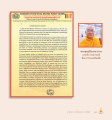
Celebrating 55 Years of Dhammakaya Foundation Day
SIDDHARTH UNITED SOCIAL WELFARE MISSION (SUSWM)
International Humanitarian & Spiritual Organization
BHARATIYA SANGHARJA BHIKKHUI MAHASABHA W.B
(Regional Centre for the World Fellowship of Buddhists)
The 55th anniversary of Dhammakaya Foundation Day will be celebrated on February 12, 2025, at the Dhammakaya Centre in Pathumani, Thailand. This event, coinciding with the holy Maghapuja Day, honors t
3
The Buddha’s First Teaching
A Dhammakaya Foundation paperback
First edition 2002
Published by the Dhammakaya Foundation
Department of International Relations
23/2 Moo 7., Khlong Sam, Khlong Luang,
Patumthani 12120
Thailand
Tel.
This book, published by the Dhammakaya Foundation, delves into the core teachings of Buddhism as explicated by Phrabhavanaviriyakhun (Phadet Dattajeevo). The text provides an in-depth analysis of the
5
Advanced Concepts in Buddhism
which are unnecessarily caught up with Thai culture have been minimized or omitted.
The content of this book is more advanced than the for- going titles in the series 'Buddhism in Plain English'. This
This book, part of the 'Buddhism in Plain English' series, offers advanced insights into Buddhism's higher spiritual training, focusing on the renunciation of mundane life. It discusses the common mis
12
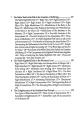
The Noble Eightfold Path: Key Concepts and Insights
7 The Noble Truth of the Path to the Cessation of Suffering .................... 117
The Noble Eightfold Path 117 • Right View 118 • Right Intention 118 • Right Speech 118 • Right Action 118 • Right L
The Noble Eightfold Path is a fundamental Teaching of Buddhism aimed at overcoming suffering. It consists of eight essential practices: Right View, Right Intention, Right Speech, Right Action, Right L
16
Understanding the Dhammacakka Pavattana Sutta
emonies. This is especially true of the ceremonies held on Asālha Pūjā Day, when it is a traditional duty for Buddhist monks to celebrate the anniversary of the preaching of the Dhammacakka Pavattana
The Dhammacakka Pavattana Sutta holds significant importance in Buddhist ceremonies, especially during Asālha Pūjā Day when monks chant it for laypeople's benefit. Unfortunately, finding unabridged co
25
The Middle Way: A Path to Liberation
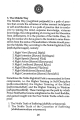
3. The Middle Way
The Middle Way [majjhima paṭipadā] is a path of practice that avoids the extremes of either sensual indulgence or self-mortification. It is a path of practice that is conducive to ta
The Middle Way [majjhima paṭipadā] serves as a balanced path in Buddhism, steering clear of both sensual pleasures and self-mortification. This approach is aimed at tempering the mind, achieving supre
27
Understanding the Four Noble Truths in Buddhism
**1. Saccaṇāṇa:** This first cycle of examination of the knowledge of the Four Noble Truths established the knowledge of the Truth of their Existence. Thus he was to find out: 'this is the Noble Truth
This text outlines the process of examining the Four Noble Truths in Buddhism through three cycles: Saccaṇāṇa (knowledge of existence), Kiccāṇāṇa (knowledge of duty), and Kataṇāṇa (knowledge of fulfil

30
The Middle Way: Balancing Sensual Indulgence and Self-Mortification
the harmfulness of the extremes of sensual indulgence and self-mortification, and advocated the following of the Middle Way or Noble Eightfold Path, the ‘group of five’, especially Keṇḍāṇa who was mos
This text discusses the risks associated with extreme sensual indulgence and self-mortification, underscoring the importance of following the Middle Way or Noble Eightfold Path. It highlights Keṇḍāṇa,
32
Metaphors of Sensual Indulgence
Commentorial Metaphors: Indulgence in sensual pleasures:
1. A pig content to wallow in dung: Indulging in sensual pleasures is rather like a pig, which spends all its life wallowing in the warm mud an
This text delves into various metaphors that depict the indulgence in sensual pleasures as detrimental and unfulfilling. Comparing such indulgence to a pig in dung, a rotting corpse, and a dog with bo
48
Understanding Dhammacakkapavattana Sutta
mon wouldn't have been called 'Dhammacakkapavattana Sutta' if only the Four Noble Truths or Dependent Origina-
tion or the Factors of Enlightenment were important — thus by the name of the sermon, we
In the Dhammacakkapavattana Sutta, the Buddha presents interconnected teachings that highlight the importance of the Four Noble Truths, Dependent Origination, and the Factors of Enlightenment. The ser
53
The Noble Truth of the Origin of Suffering
2. Explanation of the Noble Truth of the Origin of Suffering
The Lord Buddha’s explanation of the Origin of Suffering includes all four of the Origin of Suffering’s implications in the light of the Fo
The Lord Buddha explains the Origin of Suffering, emphasizing craving as the root cause affecting all living beings. It identifies two forms of craving: self-centred craving (for personal advantage) a
59
Understanding the Noble Truths of Suffering
by reflecting on Suffering's meaning at 2, 3 and 4 in that
order. As for the the meaning at 2, even though it is con-
cerned with the Noble Truth of Suffering, it has implications
reaching to the Orig
The text reflects on the meanings of Suffering within Buddhism, particularly its Noble Truths. It discusses how the meanings related to Suffering connect with the Origin, Cessation, and the Noble Eigh
69
Understanding Suffering and Aging
bear.
When the sun shines in the morning, all the different flowers of the meadow and the water, open up their petals to welcome its rays. However, when the rays of the sun become hotter, the same flo
This text discusses the philosophical concepts of aging and illness in relation to suffering. It compares the vitality of youth and the deterioration that comes with age to flowers that wither in the
71
The Suffering of Death
them terrible fear of hell at the end of their life. This is another aspect of the suffering of death.
As for the wealthy who have so many possessions, or those with lots of relatives, there is a tend
This text discusses the various aspects of suffering that accompany death, including the fear of hell, anxiety over possessions and loved ones, and the experiences of those who face execution. It high